
The Treasury’s Soothing Strategy Is Doing the Opposite
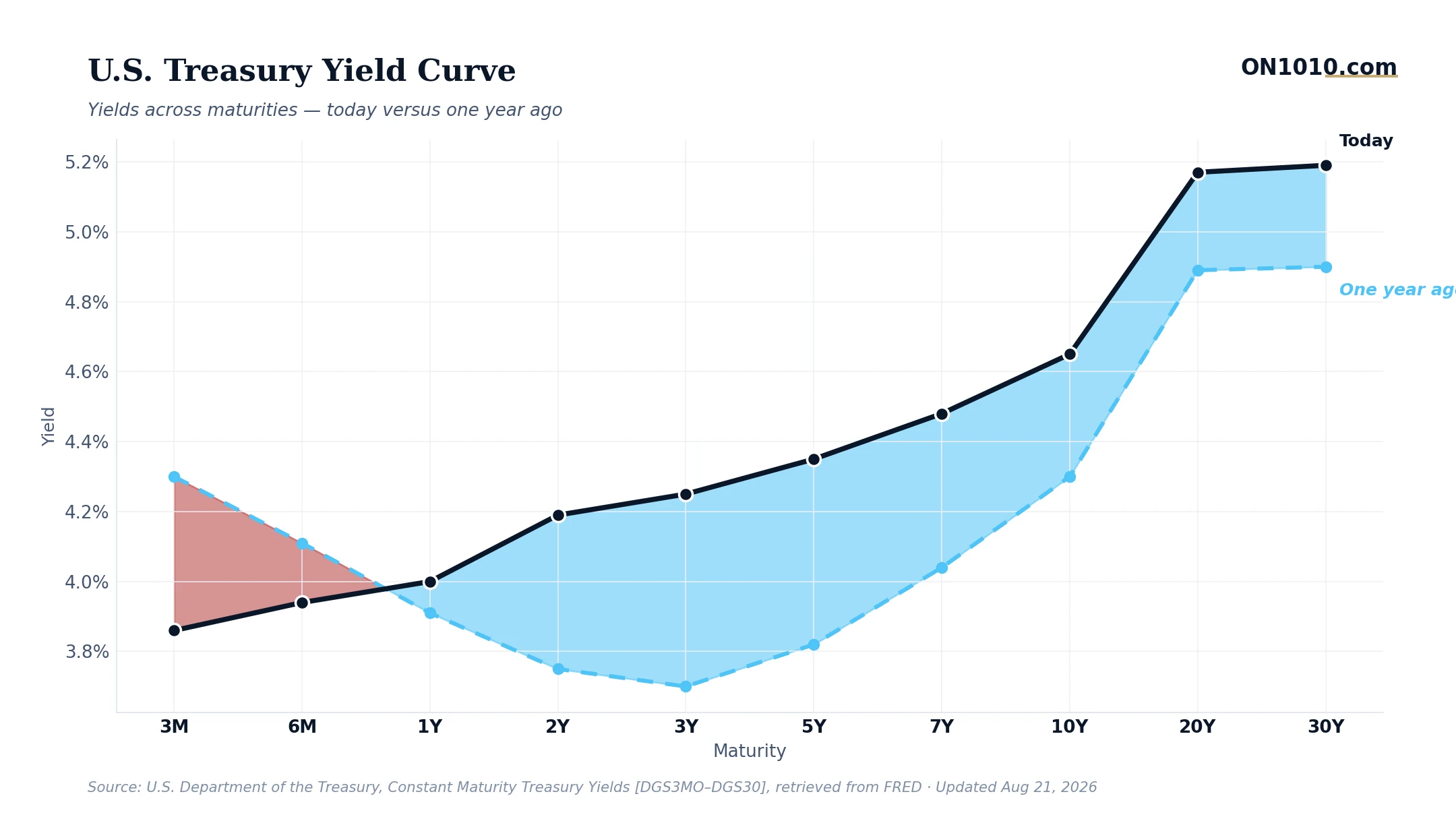
According to CNBC, Treasury Secretary Bessent’s strategy of leaning on shorter-term debt issuance to calm bond markets is generating an unexpected side effect: inflation expectations are rising, with breakeven rates hitting their highest levels in more than two months.
Here is what makes this interesting. The playbook was supposed to work in reverse. By front-loading shorter-dated supply, the Treasury hoped to relieve pressure on long-term yields, calming the bond market without the Fed’s help. The problem is that bond investors read the maneuver differently. Heavy short-term issuance, when inflation is already running historically hot, can signal that the government prefers to roll debt quickly rather than lock in long-term rates. That is not a calming signal. That is a signal that either the issuer expects rates to fall, or is uncomfortable committing to decades of high borrowing costs. Either way, the inflation-sensitive end of the market noticed.
Breakeven rates, which measure the gap between nominal Treasury yields and inflation-protected securities, are the bond market’s real-time verdict on where prices are headed. When they move up, it means investors are demanding more compensation for the risk that inflation stays higher for longer. That is a direct cost to the economy: higher breakevens push up long-term real borrowing costs for businesses and households alike, compressing the margins that drive hiring and investment decisions. Combined with long-term rates that are still sitting above their historical norm, the financing environment is meaningfully tighter than the calm VIX and tight credit spreads might suggest on the surface.
Historically, investors have treated rising breakeven rates as an early warning that the bond market is losing confidence in the inflation story, and periods when nominal yields, breakeven rates, and short-term debt supply all moved in the same direction have tended to create headwinds for rate-sensitive sectors and capital spending plans. The question worth sitting with: if the cure is raising inflation anxiety, does the Treasury have a plan B?
Bottom Line: When a debt management strategy designed to reassure bond markets instead pushes inflation expectations to two-month highs, the bond market is sending a clear message. Bonds, as they so often do, are telling the truth.
Read more: CNBC Economy
ON1010 Research is an independent publisher of economic education and is not a registered investment adviser, broker-dealer, or investment company. This content is for educational and informational purposes only and is not investment advice or a recommendation to buy, sell, or hold any security. Published under the publisher exemption recognized by Section 202(a)(11)(D) of the Investment Advisers Act of 1940 (Lowe v. SEC). Always consult a qualified financial professional before making any financial decision.
Free Research
The economy moves fast. We make sure you move faster.
Economic data, policy shifts, and market signals — delivered to your inbox.
Subscribe Free