
The Economy Elected Trump. The Economy May Have Just Fired Him.
According to CNBC, voters in the network’s 2026 midterm poll ranked the economy as the single most important issue facing the country, ahead of democracy concerns and immigration. That is not a surprise. The surprising part is what it tells us about how completely the economic story has reversed in two years.
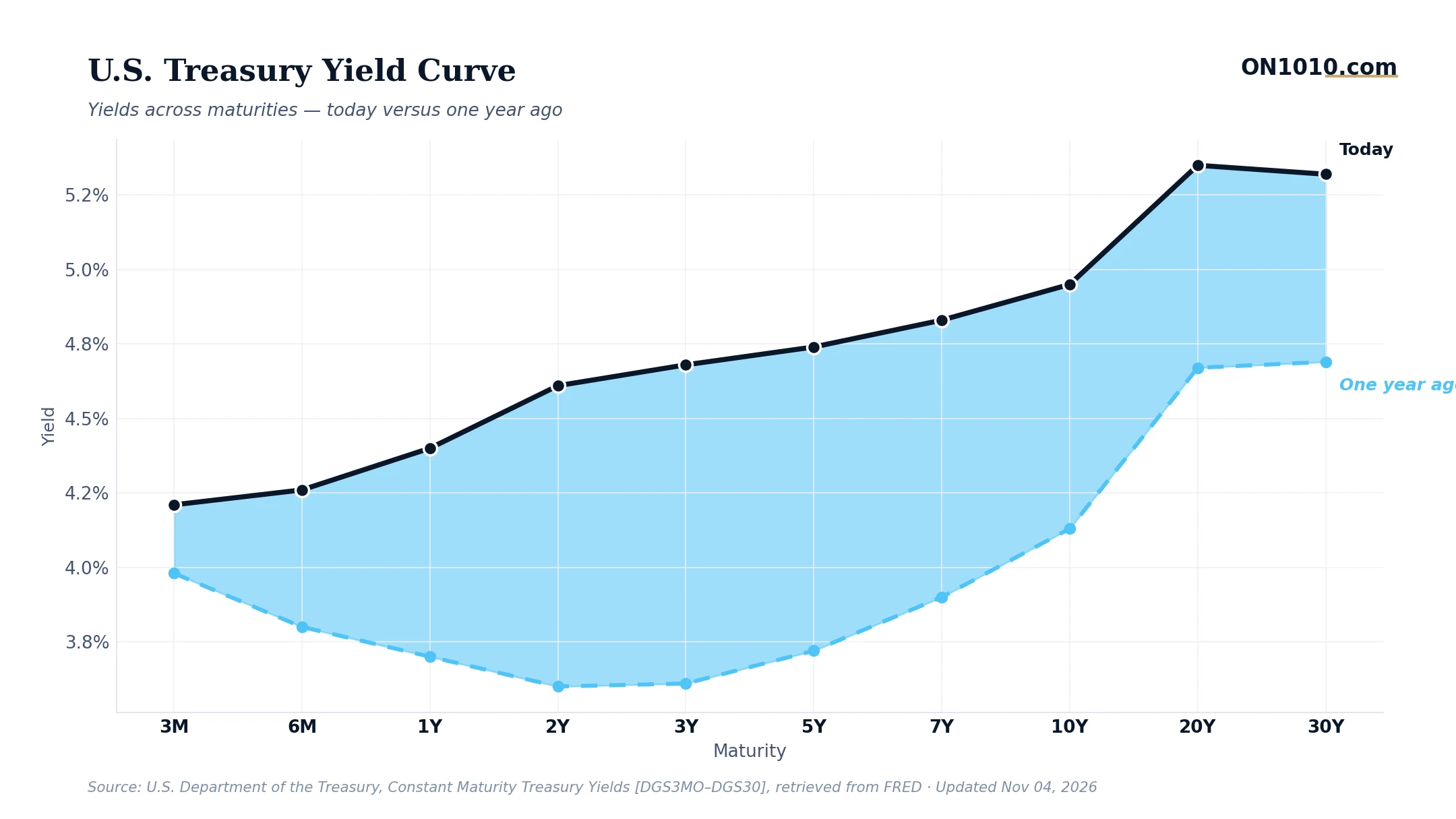
Trump won in 2024 on the back of genuine economic grievances: sticky post-pandemic inflation that never fully released its grip on household budgets, and a Federal Reserve that kept rates elevated long enough to squeeze anyone with debt. By November 2026, those same kitchen-table pressures are still there, and in some ways worse. Core inflation sits near the top of its historical range. The Fed’s real policy rate is running restrictive. Long-term interest rates remain elevated by any historical measure. Credit conditions are tightening. Consumer sentiment has dropped to levels near the very bottom of its recorded history.
None of that is abstract. When mortgage rates stay high, when credit card balances roll over at painful interest, when grocery prices haven’t meaningfully reversed, voters do not care about the structural reasons. They care about the feeling in their wallet. And that feeling is driving the ballot.
Historically, investors and business operators have used consumer sentiment as a leading read on demand. Sentiment this depressed has sometimes preceded spending slowdowns, though the historical record also shows sentiment can recover faster than conditions actually change. The more telling signal right now is in credit spreads, which are wide and widening. When credit markets price in stress while equity markets are still above their 200-day average, the two are sending different messages. That kind of divergence is worth watching, because credit often leads.
Bottom Line: The economy that handed Trump the White House is now the central exhibit against him, and the gap between financial conditions and voter perception has rarely mattered more for anyone trying to read where policy goes next.
Read more: CNBC Economy
ON1010 Research is an independent publisher of economic education and is not a registered investment adviser, broker-dealer, or investment company. This content is for educational and informational purposes only and is not investment advice or a recommendation to buy, sell, or hold any security. Published under the publisher exemption recognized by Section 202(a)(11)(D) of the Investment Advisers Act of 1940 (Lowe v. SEC). Always consult a qualified financial professional before making any financial decision.
Free Research
The economy moves fast. We make sure you move faster.
Economic data, policy shifts, and market signals — delivered to your inbox.
Subscribe Free