
The Fed Just Repriced Its Own Payment Network. Here’s Why That’s Worth Watching.
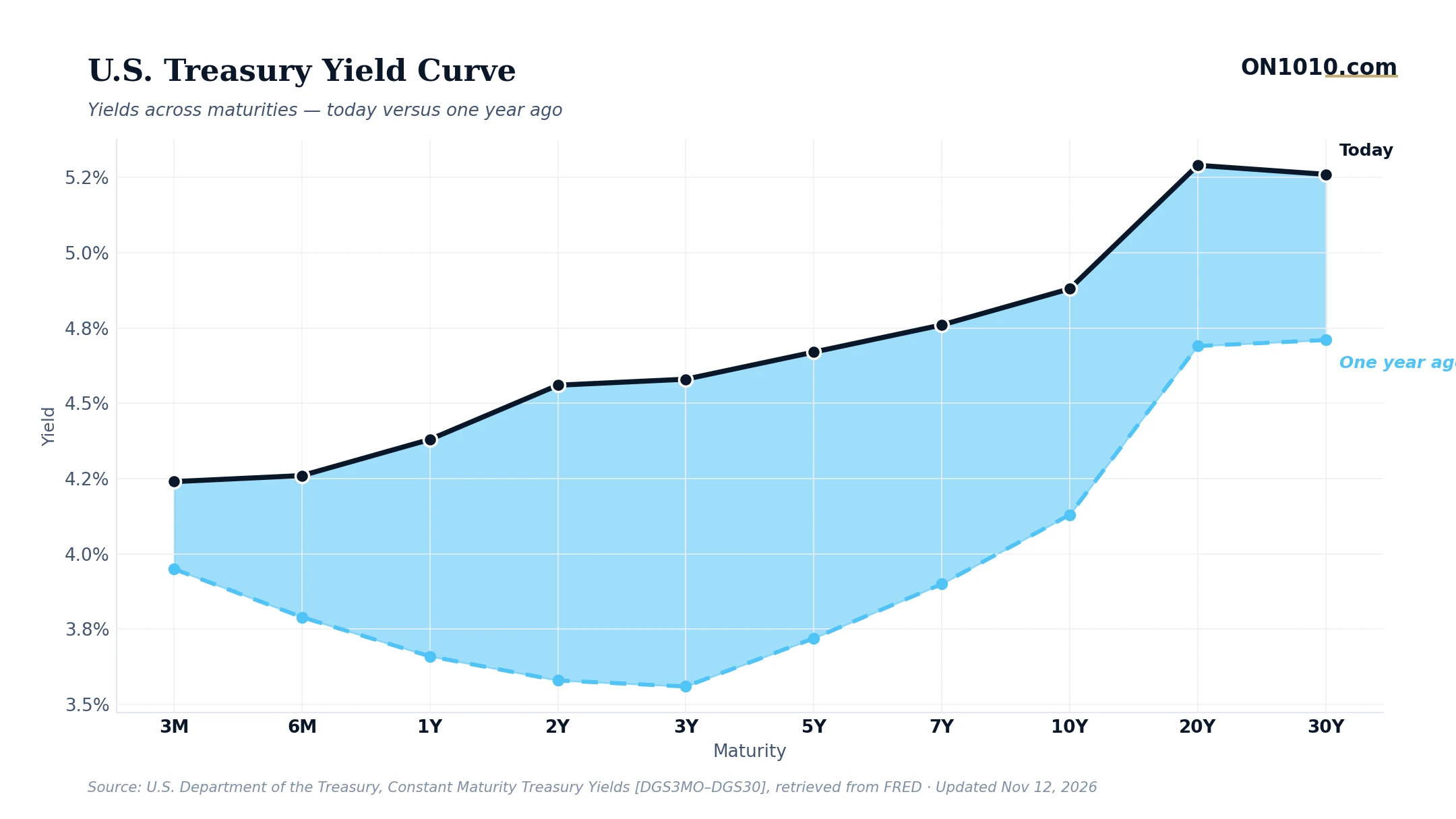
According to a Federal Reserve press release, the Fed will update pricing on the payment services it provides to banks and credit unions, effective January 1, 2027, and will restructure portions of its check-clearing operations. On the surface, this reads like administrative housekeeping. Underneath, it’s a window into how the plumbing of the financial system is changing, and what that costs the institutions that depend on it.
The Fed operates one of the country’s core payment rails: Fedwire, the ACH system, and check services that billions of dollars flow through every day. When it reprices those services, every bank and credit union that uses them faces a cost adjustment. Those costs don’t disappear. They either compress margins, get passed to business customers through higher fees, or both. For smaller community banks and credit unions that rely more heavily on Fed payment infrastructure than their larger competitors, the margin math gets tighter.
The check-service changes are worth noting separately. The Fed has been quietly shrinking its paper-check footprint for years as digital payments grow. Streamlining check operations typically means consolidating processing centers and reducing capacity. That’s a rational response to declining volume, but it also signals where the Fed sees the future of payment infrastructure pointing.
This announcement lands in a backdrop that makes cost pressures more consequential than usual. Credit spreads are wide, monetary policy remains restrictive, and consumer sentiment is near historic lows. When the financial plumbing gets more expensive at the same moment that lending margins are already under pressure, the stress compounds. Historically, analysts watching the banking sector have paid close attention to noninterest expense trends as early signals of margin compression, particularly at smaller institutions. The question this raises: how much of a pricing increase can community banks absorb before it shows up in their fee structures or lending behavior?
Bottom Line: The Fed setting its own service prices is a cost-of-doing-business story for banks, and in the current environment, every basis point of margin that disappears matters more than it would in a healthier credit cycle.
Read more: Federal Reserve Press Releases
ON1010 Research is an independent publisher of economic education and is not a registered investment adviser, broker-dealer, or investment company. This content is for educational and informational purposes only and is not investment advice or a recommendation to buy, sell, or hold any security. Published under the publisher exemption recognized by Section 202(a)(11)(D) of the Investment Advisers Act of 1940 (Lowe v. SEC). Always consult a qualified financial professional before making any financial decision.
Free Research
The economy moves fast. We make sure you move faster.
Economic data, policy shifts, and market signals — delivered to your inbox.
Subscribe Free