
The Bank of England Just Hiked Into a Inflation Surge. The Timing Tells You Something Important.
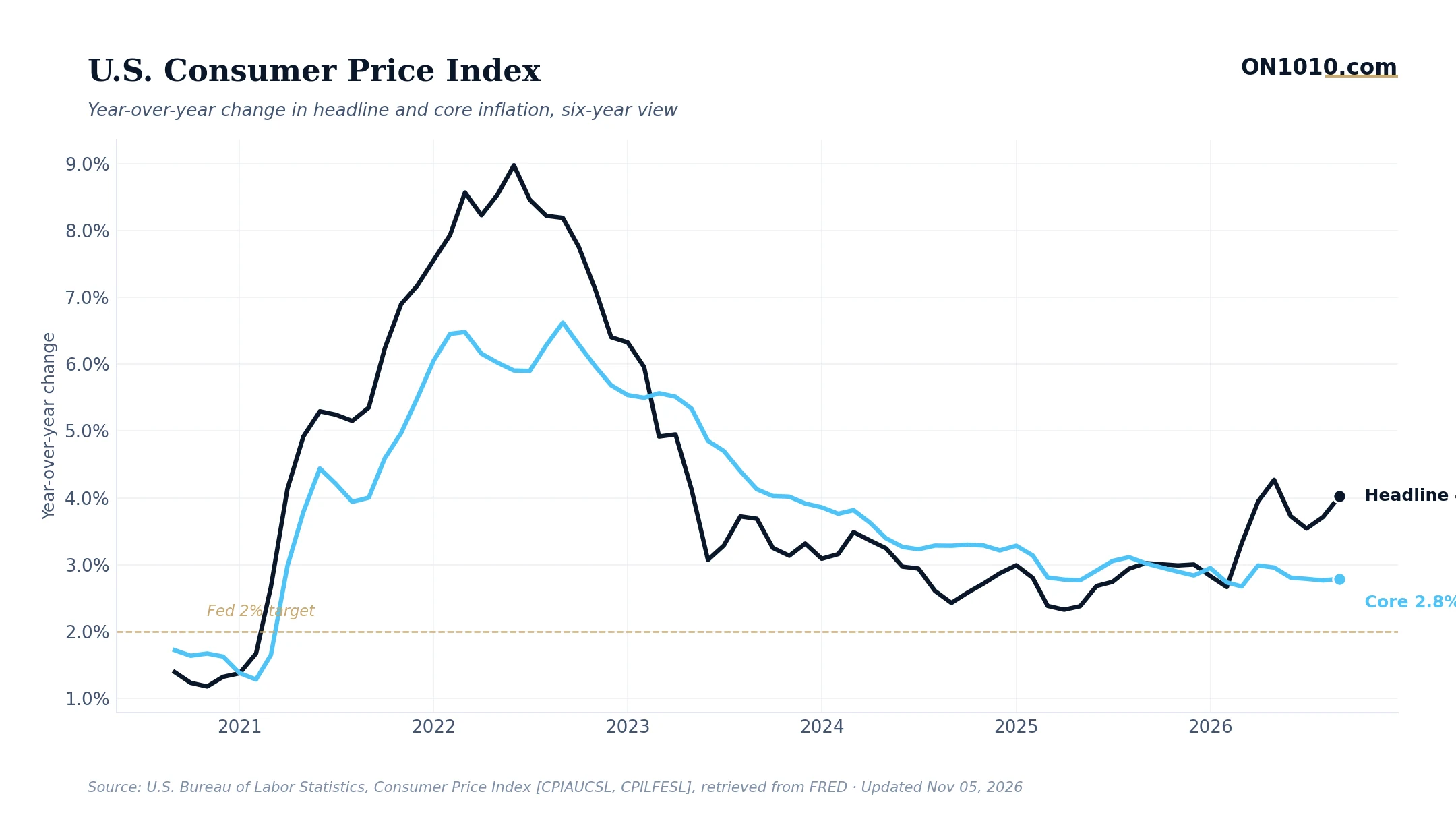
According to CNBC, the Bank of England has raised its key interest rate for the first time since the Iran war, with one policymaker voting to lift the rate to 4.25%, as the central bank warns inflation is on course to approach 5%. The surprise is not just the hike itself. It is that the BoE is tightening into an economy already carrying high rates, wide credit spreads, and deeply depressed consumer sentiment.
Here is the tension worth unpacking. The BoE is raising rates to fight inflation that is running far above target, but the medicine works with a lag. Rate hikes restrain demand by raising borrowing costs for businesses and households. That means the pain from today’s decision will be felt months from now, in the form of compressed profit margins, slower hiring, and weaker investment. Meanwhile, inflation at nearly 5% is already eating into real wages. Nominal pay gains look decent until you subtract price growth, and then workers are losing ground. That is exactly the kind of squeeze that destroys consumer spending before the central bank ever gets credit for cooling prices.
The UK’s situation also illustrates a structural problem that post-pandemic economies keep running into. Supply-side inflation, the kind driven by energy costs, trade disruptions, and reshoring friction, does not respond cleanly to rate hikes the way demand-side inflation does. You can suppress demand all you want, but if the problem is on the supply side, you mostly end up with a weaker economy and stubborn prices. The BoE’s own warning that inflation will near 5% suggests it is not entirely confident the hike alone will do the job.
Historically, investors have treated this kind of central bank posture, hiking while simultaneously flagging elevated inflation forecasts, as a signal of prolonged restrictive policy. That tends to pressure equities, particularly growth-oriented sectors, while supporting short-duration bonds and defensive positioning. The question this raises is whether the BoE has enough room to tighten further without tipping the UK economy into a sharper slowdown, especially with credit conditions already stressed and consumer confidence near historic lows.
Bottom Line: When a central bank hikes rates and raises its inflation forecast in the same breath, it is telling you the problem is harder to solve than the tool being applied. That is the kind of policy environment where margin pressure builds quietly before it shows up loudly in earnings.
Read more: CNBC Economy
ON1010 Research is an independent publisher of economic education and is not a registered investment adviser, broker-dealer, or investment company. This content is for educational and informational purposes only and is not investment advice or a recommendation to buy, sell, or hold any security. Published under the publisher exemption recognized by Section 202(a)(11)(D) of the Investment Advisers Act of 1940 (Lowe v. SEC). Always consult a qualified financial professional before making any financial decision.
Free Research
The economy moves fast. We make sure you move faster.
Economic data, policy shifts, and market signals — delivered to your inbox.
Subscribe Free