
When a Fed Official Uses the Word “Disturbing,” Pay Attention
According to CNBC, October’s Consumer Price Index came in hotter than expected, sending the CPI to 337.476, and prompting Chicago Fed President Austan Goolsbee to describe the report as “borderline disturbing.” That is not the language of a central banker who thinks inflation is under control.
Here is what makes this reading genuinely complicated. Inflation is already running higher than roughly nine of every ten months in the recorded data. The Fed’s policy rate is restrictive by historical standards. And yet inflation is still moving in the wrong direction. That combination, tight policy that isn’t working fast enough, is the central tension. The Fed has been betting that keeping rates elevated would eventually squeeze demand enough to cool prices. An upside inflation surprise challenges that bet directly and forces the question of whether the current rate level is actually as restrictive as it looks.
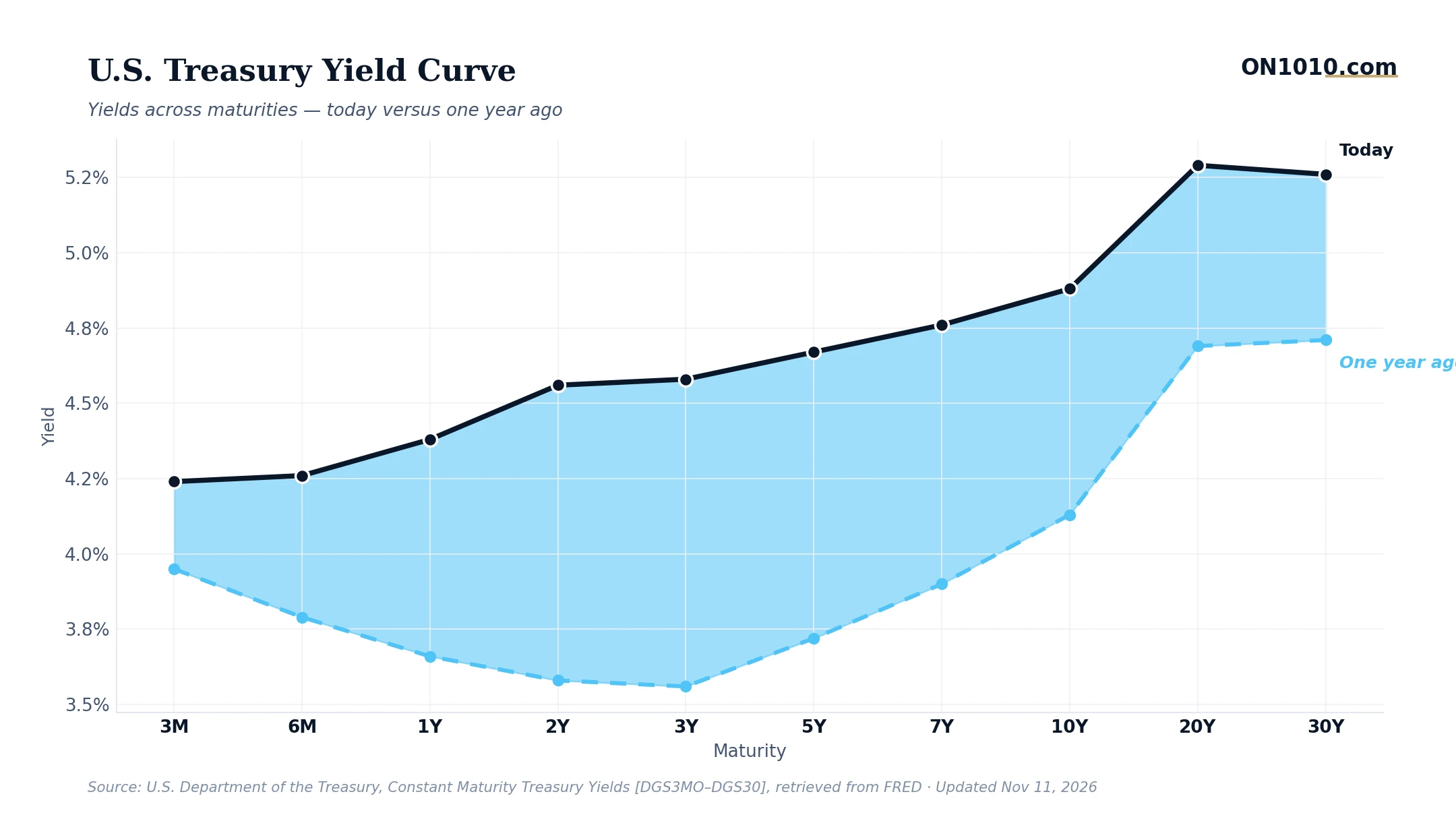
Credit spreads are wide and sitting near the upper end of their historical range, which tells you the bond market is already pricing in stress. Long-term interest rates are in the upper quarter of their own history. Meanwhile, sector rotation data shows institutional money flooding into consumer staples, health care, real estate, and utilities over the past month, with technology down sharply. That is not a growth story. That is capital repositioning ahead of potential trouble.
Historically, investors have treated persistent inflation surprises as a signal to revisit duration exposure in fixed-income portfolios, since bond prices fall when yields rise in response to hotter-than-expected inflation data. The more important question this raises for businesses and capital allocators: if the Fed responds to this report by signaling additional rate hikes, how does that change the math on long-term borrowing, hiring plans, and investment returns over the next 12 to 18 months? When monetary policy is already restrictive and inflation is still accelerating, the room for a soft landing gets narrower with each data point.
Bottom Line: Goolsbee’s word choice wasn’t rhetorical. When the data surprises to the upside at this stage of a tightening cycle, the Fed’s credibility is on the line, and credibility is expensive to rebuild.
Read more: CNBC Top News
ON1010 Research is an independent publisher of economic education and is not a registered investment adviser, broker-dealer, or investment company. This content is for educational and informational purposes only and is not investment advice or a recommendation to buy, sell, or hold any security. Published under the publisher exemption recognized by Section 202(a)(11)(D) of the Investment Advisers Act of 1940 (Lowe v. SEC). Always consult a qualified financial professional before making any financial decision.
Free Research
The economy moves fast. We make sure you move faster.
Economic data, policy shifts, and market signals — delivered to your inbox.
Subscribe Free