
When Your Biggest Trading Partner Starts Doing the Math Out Loud
According to CNBC, Canada’s ambassador to the United States is warning that Trump’s tariffs are pushing up costs and threatening the cross-border investment flows that underpin one of the world’s most integrated economic relationships. The interesting part is the phrasing: “threatening investment.” Ambassadors are professional optimists. When one starts talking publicly about capital at risk, the negotiations are not going well.
This is a capital allocation story. The U.S. and Canada share roughly $2 trillion in annual trade, and that trade is not arms-length commerce between strangers. It is deeply embedded supply chains, particularly in auto manufacturing, energy, agriculture, and aerospace, where parts cross the border multiple times before a finished product ships. Tariffs on that kind of integrated production do not just raise prices at the border. They raise costs at every node in the chain, compressing margins for manufacturers on both sides. When margins compress, the next investment decision gets harder to justify. A factory expansion that made sense at pre-tariff cost structures may not pencil out anymore.
The incentive structure here runs in both directions, and that is what makes this complicated. Tariffs create domestic pressure to bring investment home, which is the stated goal. But they simultaneously raise input costs for the very manufacturers they are meant to protect, which works against the goal. Historically, the resolution has depended on whether the tariffs are a negotiating lever or a permanent regime. If they are a lever, businesses wait it out. If they are permanent, capital reallocates, and that reallocation takes years to reverse.
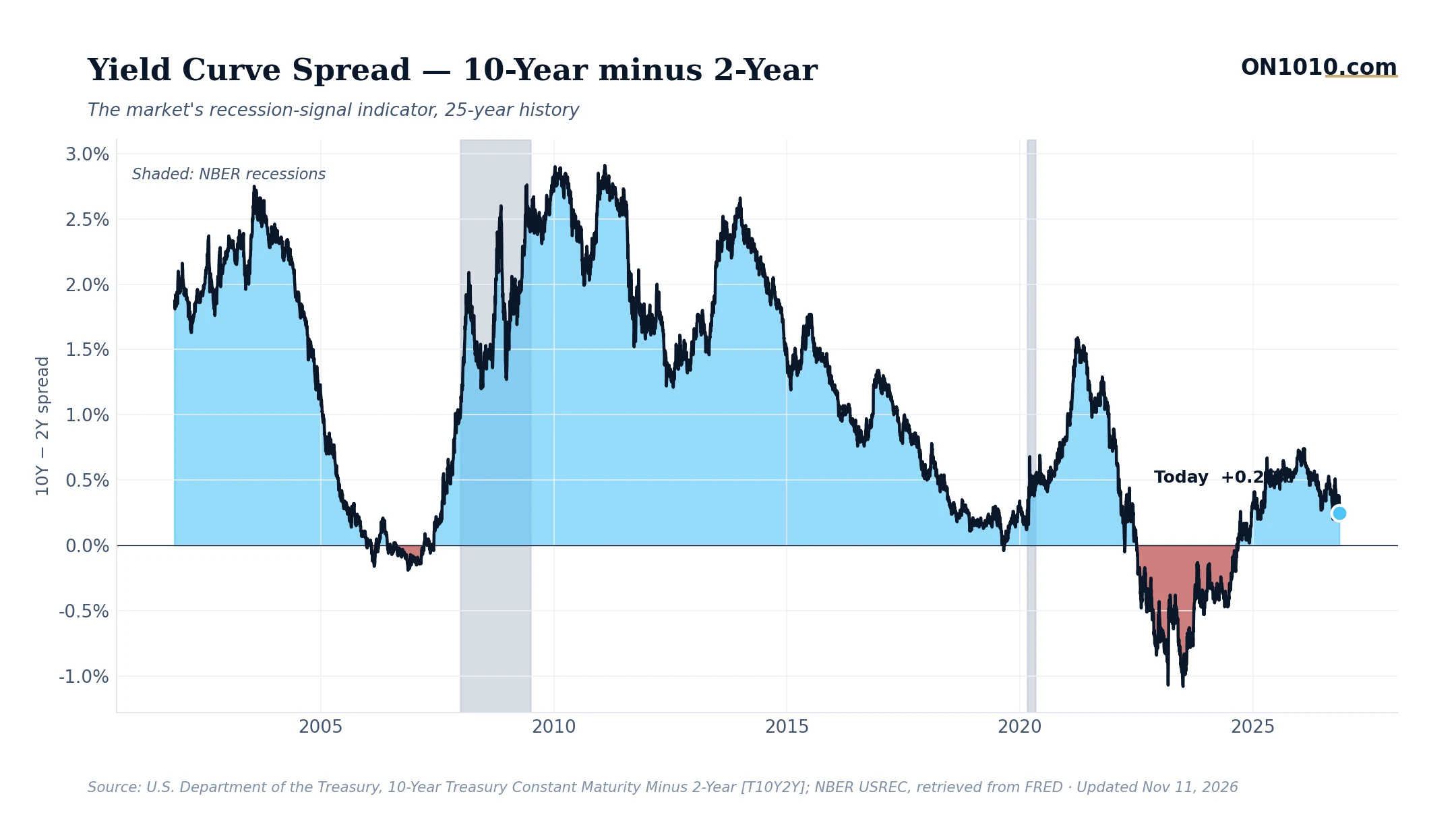
The broader backdrop makes the ambassador’s warning harder to dismiss. Core inflation sits near historic highs. Real policy rates are restrictive. Credit spreads are wide. Consumer sentiment is near the bottom of its historical range. Sector rotation in markets has shifted sharply toward defensive names, with health care and consumer staples outpacing technology by double digits over the past month. Historically, when multiple pressure gauges light up simultaneously, businesses tend to delay capital commitments and wait for clarity, which is itself a drag on growth even before any single project gets cancelled.
Historically, investors have tracked cross-border investment announcements and business confidence surveys as early reads on how trade disputes are landing in real corporate decision-making, because capital spending intentions tend to move before the GDP data catches up. The question worth watching is whether the cost pressure the ambassador is describing shows up in the next round of manufacturing surveys on both sides of the border.
Bottom Line: When tariff costs start threatening investment flows between deeply integrated trading partners, the damage runs deeper than price tags on imported goods. It lands in the capital expenditure plans that drive tomorrow’s jobs numbers.
Read more: CNBC Top News
ON1010 Research is an independent publisher of economic education and is not a registered investment adviser, broker-dealer, or investment company. This content is for educational and informational purposes only and is not investment advice or a recommendation to buy, sell, or hold any security. Published under the publisher exemption recognized by Section 202(a)(11)(D) of the Investment Advisers Act of 1940 (Lowe v. SEC). Always consult a qualified financial professional before making any financial decision.
Free Research
The economy moves fast. We make sure you move faster.
Economic data, policy shifts, and market signals — delivered to your inbox.
Subscribe Free